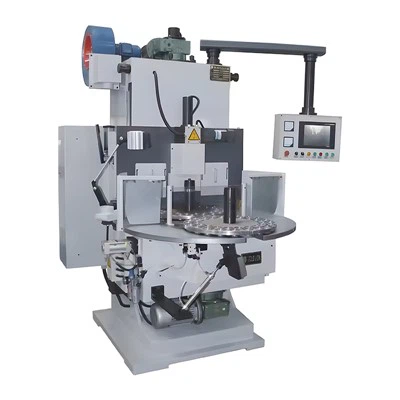
As a supplier of CNC grinding machines, I’ve witnessed firsthand the challenges that many manufacturers face when operating these sophisticated pieces of equipment. CNC grinding machines are integral to precision manufacturing, offering high accuracy, repeatability, and efficiency. However, like any complex machinery, they are prone to certain issues that can disrupt production and affect the quality of the finished products. In this blog post, I’ll discuss some of the most common problems with CNC grinding machines and provide practical solutions to overcome them. CNC Grinding Machine
1. Poor Grinding Accuracy
One of the most critical issues in CNC grinding is poor accuracy, which can lead to products that do not meet the required specifications. Several factors can contribute to this problem:
a. Tool Wear
Grinding wheels and other cutting tools wear down over time due to the high friction and pressure involved in the grinding process. As the tools wear, their cutting edges become dull, leading to decreased accuracy and surface finish.
Solution: Regularly inspect the grinding wheels and replace them when they show signs of excessive wear. Follow the manufacturer’s recommendations for tool life and replacement intervals. Additionally, use dressing tools to sharpen the grinding wheels periodically, ensuring that they maintain their cutting edge and shape.
b. Machine Alignment
Incorrect machine alignment can cause the workpiece to be ground unevenly, resulting in poor dimensional accuracy. Misaligned axes, spindle runout, and improper fixture positioning are common alignment issues.
Solution: Perform regular machine alignment checks using precision measuring tools such as dial indicators and laser alignment systems. Follow the manufacturer’s alignment procedures carefully and make adjustments as needed. Ensure that the fixtures and workpieces are securely mounted and aligned to the machine axes.
c. Thermal Deformation
CNC grinding machines generate a significant amount of heat during operation, which can cause thermal deformation of the machine components and the workpiece. This deformation can lead to inaccuracies in the grinding process.
Solution: Implement effective cooling systems to control the temperature of the machine and the workpiece. Use coolant fluids to dissipate heat and lubricate the cutting tools. Additionally, allow the machine to warm up properly before starting a grinding operation to minimize thermal effects. Monitor the temperature of the machine components during operation and make adjustments as necessary.
2. Surface Finish Problems
The surface finish of the ground workpiece is another important quality parameter. Poor surface finish can affect the functionality, appearance, and durability of the product. Here are some common causes of surface finish problems:
a. Grinding Wheel Selection
Using the wrong type of grinding wheel for the material and application can result in a poor surface finish. Factors such as wheel grade, structure, and abrasive type need to be carefully considered.
Solution: Select the appropriate grinding wheel based on the material being ground, the required surface finish, and the grinding operation. Consult the grinding wheel manufacturer’s recommendations or seek advice from a grinding expert. Experiment with different wheel specifications to find the optimal combination for your application.
b. Grinding Parameters
Incorrect grinding parameters, such as feed rate, depth of cut, and spindle speed, can also affect the surface finish. High feed rates and excessive depths of cut can cause chatter and surface roughness, while low spindle speeds may result in a glazed or dull surface.
Solution: Optimize the grinding parameters based on the material, wheel type, and desired surface finish. Start with conservative settings and gradually adjust them while monitoring the surface finish of the workpiece. Use a trial-and-error approach to find the best combination of parameters for your specific application.
c. Coolant Issues
Inadequate coolant supply or improper coolant selection can lead to poor surface finish. Coolant helps to remove heat, chips, and debris from the grinding zone, preventing thermal damage and improving the surface quality.
Solution: Ensure that the coolant system is functioning properly and that an adequate amount of coolant is being supplied to the grinding zone. Use the appropriate coolant for the material and grinding operation, taking into account factors such as lubricity, cooling capacity, and corrosion protection. Regularly monitor the coolant concentration and quality and replace it as needed.
3. Machine Vibration
Machine vibration is a common problem in CNC grinding that can affect the accuracy, surface finish, and tool life. Excessive vibration can also cause damage to the machine components and increase the risk of operator injury.
a. Unbalanced Grinding Wheels
An unbalanced grinding wheel can cause significant vibration during operation. This imbalance can be due to manufacturing defects, uneven wear, or improper mounting.
Solution: Balance the grinding wheels before use using a wheel balancing machine. Follow the manufacturer’s instructions for wheel balancing and ensure that the wheels are properly mounted and tightened. Regularly inspect the wheels for signs of wear and imbalance and replace them as needed.
b. Loose Machine Components
Loose bolts, nuts, and other machine components can also contribute to vibration. Over time, the vibration generated during operation can cause these components to loosen, leading to increased vibration and potential damage to the machine.
Solution: Regularly inspect the machine for loose components and tighten them as needed. Use a torque wrench to ensure that the components are tightened to the correct specification. Pay particular attention to the spindle, table, and fixture mounting points.
c. Improper Machine Foundation
A weak or unstable machine foundation can transmit vibrations from the machine to the surrounding environment, causing further vibration and instability.
Solution: Ensure that the machine is installed on a solid and level foundation. Use vibration damping pads or isolators to reduce the transmission of vibrations from the machine to the foundation. If necessary, consult a structural engineer for advice on improving the machine foundation.
4. Electrical and Control System Problems
The electrical and control systems of CNC grinding machines are complex and critical for their proper operation. Problems in these systems can cause the machine to malfunction, resulting in production downtime and quality issues.
a. Faulty Sensors and Switches
Sensors and switches are used to monitor various parameters in the CNC grinding machine, such as position, speed, and temperature. Faulty sensors or switches can provide inaccurate information to the control system, leading to improper machine operation.
Solution: Regularly inspect the sensors and switches for damage or malfunction. Replace any faulty components immediately. Calibrate the sensors periodically to ensure their accuracy.
b. Software Glitches
The control software of CNC grinding machines can sometimes experience glitches or errors, causing the machine to behave unexpectedly. These glitches can be due to software bugs, incorrect programming, or compatibility issues.
Solution: Keep the control software up to date by installing the latest updates and patches provided by the manufacturer. Ensure that the programming is correct and error-free. If a software glitch occurs, try restarting the machine and the control system. If the problem persists, contact the machine manufacturer’s technical support team for assistance.
c. Electrical Wiring Problems
Loose or damaged electrical wiring can cause short circuits, power outages, and other electrical problems in the CNC grinding machine. These problems can be dangerous and can also lead to machine damage.
Solution: Regularly inspect the electrical wiring for signs of damage, such as fraying, cracking, or loose connections. Repair or replace any damaged wiring immediately. Use proper cable management techniques to prevent the wiring from becoming tangled or damaged.
Conclusion
CNC grinding machines are powerful and versatile tools for precision manufacturing, but they are not without their challenges. By understanding the common problems that can occur with these machines and implementing the appropriate solutions, manufacturers can minimize downtime, improve product quality, and increase productivity.
Motors and Vehicle Crane Attachments If you are experiencing any issues with your CNC grinding machines or are looking to upgrade your existing equipment, I encourage you to reach out to us. As a leading supplier of CNC grinding machines, we have the expertise and experience to provide you with the best solutions for your manufacturing needs. Contact us today to discuss your requirements and explore how we can help you optimize your grinding processes.
References
- "CNC Grinding Machine Handbook," Various Authors
- "Precision Grinding Technology," Industry Publications
- Manufacturer’s Manuals for CNC Grinding Machines
Taiyuan Z.T Gear Machinery Equipment Co., Ltd.
We are one of the most professional cnc grinding machine manufacturers and suppliers in China, specialized in providing high quality custom service. We warmly welcome you to buy durable cnc grinding machine made in China here from our factory.
Address: No.7, Area C, Industrial Park, Taiyuan, Shanxi
E-mail: 13191002233@139.com
WebSite: https://www.tzgears.com/
