Hey there! I’m a supplier of rare/special gas equipment. Over the years, I’ve seen firsthand how crucial it is to test the performance of this equipment properly. In this blog, I’ll share some tips on how to do just that. Rare/Special Gas Equipment
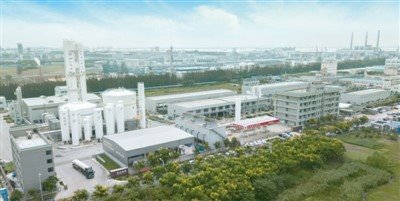
Why Testing is a Must
First off, why bother testing rare/special gas equipment? Well, these gases are often used in super important applications like semiconductor manufacturing, medical research, and aerospace. If the equipment doesn’t work right, it can mess up these processes big time. It could lead to faulty products, safety risks, and a whole lot of money down the drain. So, making sure the equipment performs well is a no – brainer.
Pre – test Checks
Before you even start testing, there are a few things you need to do. First, give the equipment a good visual inspection. Look for any signs of damage, like cracks, leaks, or loose connections. I’ve seen cases where a small crack in a valve led to a big gas leak during testing. So, take your time and check every part carefully.
Next, make sure all the components are clean. Dust, dirt, or other contaminants can affect the performance of the equipment. For example, if there’s dirt in the flow meter, it might give inaccurate readings. Use appropriate cleaning agents and follow the manufacturer’s instructions for cleaning.
Also, double – check that all the settings are correct. This includes things like pressure settings, temperature controls, and flow rates. Incorrect settings can make the equipment seem like it’s not working properly when it actually is.
Testing the Basics
Leak Testing
One of the most important tests is leak testing. You don’t want any of these rare or special gases escaping into the environment. There are a few ways to do this. One common method is the soap bubble test. You just apply a soapy solution to the joints and connections of the equipment and look for bubbles. If you see bubbles forming, it means there’s a leak.
Another more accurate method is using a leak detector. These detectors can sense even the smallest leaks. There are different types, like helium leak detectors. You introduce a small amount of helium gas into the system and use the detector to find where the helium is escaping. This method is great for detecting tiny leaks that you might not find with the soap bubble test.
Pressure Testing
Pressure testing is also key. You need to make sure the equipment can handle the pressure it’s supposed to. To do this, you’ll use a pressure gauge. Connect the gauge to the equipment and slowly increase the pressure to the recommended level. Keep an eye on the gauge to make sure the pressure stays stable. If the pressure drops suddenly, it could mean there’s a leak or the equipment can’t handle the pressure.
You should also check for pressure fluctuations over time. Some equipment might be okay under constant pressure but have problems when the pressure changes. So, do some tests where you vary the pressure and see how the equipment responds.
Flow Rate Testing
Flow rate testing tells you how fast the gas is moving through the equipment. This is important because the right flow rate is needed for the equipment to work correctly. You can use a flow meter to measure the flow rate. There are different types of flow meters, like mass flow meters and volumetric flow meters.
First, make sure the flow meter is calibrated correctly. Then, measure the flow rate at different operating conditions. Compare the results with the manufacturer’s specifications. If the flow rate is too high or too low, it could affect the performance of the equipment.
Performance Testing under Different Conditions
Rare/special gas equipment often needs to work under different conditions, like different temperatures and humidities. So, you need to test it under these various conditions.
Temperature Testing
Temperature can have a big impact on the performance of the equipment. For example, materials can expand or contract at different temperatures, which might affect the seals and connections. You can use a temperature – controlled chamber to test the equipment at different temperatures.
Start by testing the equipment at room temperature. Then, lower the temperature to the minimum recommended level and see how it performs. Next, raise the temperature to the maximum recommended level. Check things like leak rates, pressure stability, and flow rates at each temperature.
Humidity Testing
Humidity can also be a factor, especially if the equipment is used in a moist environment. High humidity can cause corrosion or affect the electrical components of the equipment. To test under different humidity conditions, you can use a humidity – controlled chamber.
Introduce different levels of humidity into the chamber and run the same tests as you did for temperature. Check for any signs of damage or performance changes due to the humidity.
Data Collection and Analysis
When you’re doing all these tests, it’s super important to collect data. Write down all the test results, including the pressure readings, flow rates, leak detection results, and any observations you make. This data will help you determine if the equipment is performing well or if there are any issues.
Once you have all the data, analyze it. Look for trends and patterns. For example, if you notice that the leak rate increases as the temperature goes up, that’s something you need to investigate further. Compare your results with the manufacturer’s specifications and industry standards.
Post – test Maintenance
After you’ve finished testing, don’t forget about maintenance. If you found any issues during testing, fix them right away. Replace any damaged parts and make sure all the connections are tight.
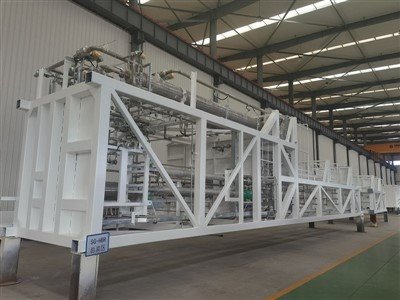
Also, keep a record of the tests and maintenance. This will help you keep track of the equipment’s performance over time and plan for future maintenance.
Let’s Talk Business
Rare/Special Gas Equipment So, if you’re in the market for rare/special gas equipment or want to ensure your existing equipment is performing at its best, I’m here for you. I’ve got a wide range of high – quality equipment and can help you with testing and maintenance. Reach out, and let’s have a chat about your needs.
References
- "Handbook of Gas Analysis and Instrumentation"
- "Advanced Testing Techniques for Industrial Equipment"
- Manufacturer’s manuals of rare/special gas equipment
Hanturbo Technology (Zhejiang) Co., Ltd.
Hanturbo Technology (Zhejiang) Co., Ltd. is one of the most professional rare/special gas equipment manufacturers and suppliers in China, also supports custom service. We warmly welcome you to buy discount rare/special gas equipment made in China here and get quotation from our factory. For price consultation, contact us.
Address: No.118, Wangluo Road, Deqing County, Huzhou City, Zhejiang Province, China.
E-mail: andyxu@hanturbo.com.cn
WebSite: https://www.hanturbo-gas.com/
