Can you dye knit and woven garments using the same method? Knit And Woven Garments
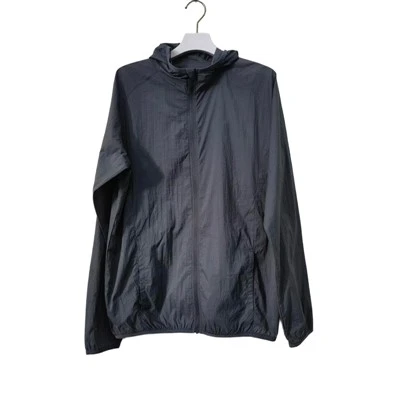
As a supplier of knit and woven garments, I often encounter questions from clients about the dyeing process. One of the most common inquiries is whether the same dyeing method can be used for both knit and woven fabrics. This is a crucial question as it affects not only the quality of the final product but also the efficiency and cost of the manufacturing process.
Let’s first understand the fundamental differences between knit and woven fabrics. Knit fabrics are created by interlocking loops of yarn. This structure gives them elasticity and a certain degree of stretch. They are known for their comfort and are commonly used in items like T – shirts, sweaters, and leggings. On the other hand, woven fabrics are made by interlacing two or more sets of yarns at right angles to each other. Woven fabrics are generally more rigid, less stretchy, and are often used in products such as shirts, pants, and suits.
These structural differences have a significant impact on the dyeing process. When it comes to absorbency, knit fabrics tend to absorb dyes more readily. The looped structure of the knit allows the dye to penetrate more deeply and quickly. The spaces between the loops provide more surface area for the dye to adhere to. In contrast, woven fabrics have a more compact structure. The tight interlacing of the yarns can make it more challenging for the dye to penetrate evenly.
The choice of dyeing method also depends on the type of fiber used in the fabric. Both knit and woven garments can be made from a variety of fibers, including natural fibers like cotton, wool, and silk, as well as synthetic fibers such as polyester, nylon, and acrylic.
For natural fibers, the most common dyeing method is the use of reactive dyes for cotton. Reactive dyes form a chemical bond with the fiber molecules, resulting in excellent color fastness. This method can be applied to both knit and woven cotton fabrics. However, the process may need to be adjusted slightly. Knit cotton may require a shorter dyeing time due to its higher absorbency, while woven cotton may need more agitation during the dyeing process to ensure even penetration.
Wool, another natural fiber, is often dyed using acid dyes. Acid dyes work well with the protein – based structure of wool. Whether it is a knit wool sweater or a woven wool suit, acid dyes can provide vibrant and long – lasting colors. However, the temperature and pH levels during the dyeing process need to be carefully controlled to prevent damage to the fabric. Knit wool, being more delicate and stretchy, may require a gentler dyeing cycle to maintain its shape and texture.
When it comes to synthetic fibers, disperse dyes are commonly used for polyester. Polyester is a hydrophobic fiber, which means it repels water. Disperse dyes are designed to dissolve in the polyester fibers at high temperatures. This dyeing process can be used for both knit and woven polyester fabrics. But again, adjustments are necessary. Knit polyester fabrics may be more prone to shrinkage during the high – temperature dyeing process, so pre – treatment and post – treatment steps need to be taken to minimize this effect.
Nylon, another synthetic fiber, can be dyed with acid dyes or metal – complex dyes. Similar to the situation with natural fibers, the dyeing process for nylon in knit and woven forms has some differences. Knit nylon may need a more controlled dyeing environment to prevent distortion of the fabric’s stretchy structure.
In addition to the type of fiber and fabric structure, the desired color and pattern also influence the dyeing method. For solid – color dyeing, the basic principles remain the same for both knit and woven fabrics, but the process parameters may vary. For example, achieving a uniform color on a woven fabric may require more precise control of the dye concentration and the dyeing time compared to a knit fabric.
When it comes to pattern dyeing, such as tie – dye or screen – printing, the differences between knit and woven fabrics become more pronounced. Tie – dye on a knit fabric can result in more fluid and organic patterns due to its stretchy nature. The fabric can be easily manipulated and tied in different ways, allowing the dye to spread and create unique designs. Woven fabrics, on the other hand, may produce more defined and sharp patterns because of their rigid structure. Screen – printing on a knit fabric may require a different type of ink and printing technique to prevent the ink from bleeding into the surrounding fabric, while woven fabrics can generally handle a wider range of printing inks.
In terms of the practical aspects of dyeing in a manufacturing setting, the equipment used can also vary depending on whether it is for knit or woven garments. For large – scale production, continuous dyeing machines are often used for woven fabrics. These machines can handle long lengths of fabric and provide a consistent dyeing result. Knit fabrics, on the other hand, may be dyed in batch dyeing machines. Batch dyeing allows for more flexibility in terms of the size and shape of the fabric pieces, which is important considering the often irregular shapes of knit garments.
So, can you dye knit and woven garments using the same method? The short answer is no. While there are some similarities in the basic principles of dyeing, the differences in fabric structure, fiber type, desired color and pattern, and manufacturing equipment all necessitate different approaches for knit and woven garments.
However, as a supplier of knit and woven garments, I am well – versed in the art of dyeing. I have a team of experienced technicians who understand the nuances of each fabric type and can ensure that the dyeing process is optimized for the best results. Whether you need a vibrant solid – color T – shirt or an intricately patterned woven blouse, we can meet your requirements.

If you are in the market for high – quality knit and woven garments with exceptional dyeing results, we would love to have a conversation with you. Our team can provide detailed information about our dyeing processes, share samples of our work, and discuss how we can customize the garments to suit your specific needs. Contact us to start a procurement discussion and let us turn your garment ideas into reality.
Outdoor Sportswear References
- Textile Chemistry: Fundamentals and Applications, by S. K. Malhotra
- Handbook of Textile and Industrial Dyeing, edited by M. Lewis
Yancheng Dezhiwang Garments Co., Ltd.
As one of the most professional knit and woven garments manufacturers and suppliers in China, we also support customized service. We warmly welcome you to wholesale bulk high quality knit and woven garments in stock here from our factory. For price consultation, contact us.
Address: No. 1, Xinglong Road, Xinqiao Village, Fucheng Subdistrict, Funing County, Yancheng City, Jiangsu Province, China
E-mail: ntchenguangxi@163.com
WebSite: https://www.dzwoutdoor.com/
