Stainless steel fittings are widely recognized for their durability, corrosion resistance, and aesthetic appeal. As a leading supplier of stainless steel fittings, I often receive inquiries about their heat resistance. In this blog, I will delve into the science behind the heat resistance of stainless steel fittings, exploring the factors that influence it and the applications where this property is crucial. Stainless Steel Fittings

Understanding Stainless Steel and Its Composition
Stainless steel is an alloy primarily composed of iron, chromium, and nickel, with varying amounts of other elements such as molybdenum, titanium, and niobium. The addition of chromium is what gives stainless steel its corrosion – resistant properties. When chromium reacts with oxygen in the air, it forms a thin, invisible layer of chromium oxide on the surface of the steel. This layer acts as a protective barrier, preventing further oxidation and corrosion.
The heat resistance of stainless steel is also closely related to its composition. Different grades of stainless steel have different levels of heat resistance, depending on the proportion of elements in the alloy. For example, austenitic stainless steels, which are characterized by their high nickel and chromium content, generally have better heat resistance compared to ferritic or martensitic stainless steels.
Factors Influencing the Heat Resistance of Stainless Steel Fittings
Alloy Composition
As mentioned above, the alloy composition plays a significant role in determining the heat resistance of stainless steel fittings. Chromium is a key element in enhancing heat resistance, as it forms a stable oxide layer at high temperatures. Nickel also contributes to heat resistance by increasing the strength and ductility of the steel at elevated temperatures. Molybdenum can further improve the heat resistance, especially in environments where the steel is exposed to high – temperature corrosion.
For instance, 316 stainless steel, which contains a higher percentage of molybdenum compared to 304 stainless steel, has better heat and corrosion resistance in certain high – temperature and corrosive environments. This makes 316 stainless steel fittings a popular choice for applications in chemical processing plants and marine environments where both heat and corrosion are concerns.
Surface Finish
The surface finish of stainless steel fittings can also affect their heat resistance. A smooth surface finish can reduce the likelihood of oxidation and scaling at high temperatures. When the surface is rough, it provides more sites for oxygen to react with the steel, which can lead to the formation of oxide layers that may spall off over time. This spalling can expose fresh metal to further oxidation, reducing the overall heat resistance of the fitting.
Oxidation and Scaling Resistance
At high temperatures, stainless steel fittings are prone to oxidation. Oxidation occurs when the metal reacts with oxygen in the air to form metal oxides. In the case of stainless steel, this oxidation can lead to the formation of scales on the surface. These scales can be brittle and may flake off, which not only affects the appearance of the fitting but also reduces its integrity and heat resistance.
Heat – resistant stainless steel fittings are designed to resist oxidation and scaling. The protective chromium oxide layer mentioned earlier helps to slow down the oxidation process. However, at extremely high temperatures, this layer may break down, and other elements in the alloy come into play to maintain some level of oxidation resistance. For example, the addition of elements like silicon and aluminum can enhance the formation of a more stable oxide layer, improving the overall oxidation resistance of the stainless steel.
High – Temperature Strength
In addition to oxidation resistance, the high – temperature strength of stainless steel fittings is also an important consideration. As the temperature increases, the strength of most materials decreases. However, stainless steel can maintain a relatively high level of strength at elevated temperatures, especially when compared to other metals.
Austenitic stainless steels, in particular, are known for their good high – temperature strength. The face – centered cubic (FCC) crystal structure of austenitic stainless steel provides good ductility and strength at high temperatures. This makes austenitic stainless steel fittings suitable for applications where they need to withstand both high temperatures and mechanical stress, such as in furnace components and steam pipes.
Applications Requiring High Heat Resistance
Industrial Furnaces
Industrial furnaces operate at extremely high temperatures, often exceeding 1000°C. Stainless steel fittings are used in these furnaces for various purposes, such as in the construction of heating elements, supports, and conveyors. The heat resistance of the stainless steel ensures that the fittings can withstand the harsh conditions inside the furnace without deforming or corroding. For example, 310 stainless steel, which has a high chromium and nickel content, is commonly used in industrial furnace applications due to its excellent heat and corrosion resistance at high temperatures.
Power Generation
In power generation plants, especially in steam – based power plants, stainless steel fittings are used in the high – temperature and high – pressure sections of the system. These fittings need to withstand the heat generated by the steam, which can reach temperatures of several hundred degrees Celsius. The heat resistance of stainless steel ensures the long – term reliability and safety of the power generation system.
Automotive Exhaust Systems
Automotive exhaust systems are exposed to high temperatures as a result of the combustion process in the engine. Stainless steel fittings are used in exhaust systems because of their ability to resist heat and corrosion. The heat resistance of the stainless steel helps to prevent the fittings from warping or rusting, ensuring the proper functioning of the exhaust system and reducing the emission of pollutants.
Testing and Certification
As a stainless steel fittings supplier, we understand the importance of providing products that meet the required heat resistance standards. We conduct rigorous testing on our products to ensure their quality and performance at high temperatures. These tests may include thermal cycling tests, where the fittings are subjected to repeated heating and cooling cycles, and high – temperature tensile tests to measure the strength of the material at elevated temperatures.
We also ensure that our products comply with relevant industry standards and certifications. For example, our stainless steel fittings may be certified to meet ASTM (American Society for Testing and Materials) standards, which specify the chemical composition, mechanical properties, and heat resistance requirements for different grades of stainless steel.
Choosing the Right Stainless Steel Fittings for Heat – Resistant Applications
When selecting stainless steel fittings for heat – resistant applications, it is essential to consider several factors. First, the operating temperature of the application is the most critical factor. Different grades of stainless steel have different maximum operating temperatures. For applications with extremely high temperatures, grades like 310 or 330 stainless steel may be more suitable, while for lower – temperature applications, 304 or 316 stainless steel may be sufficient.
Second, the operating environment should also be taken into account. If the fitting will be exposed to corrosive substances in addition to heat, a grade of stainless steel with high corrosion resistance, such as 316 or 904L, should be chosen.
Finally, the mechanical requirements of the application, such as the need for high strength or flexibility, should also influence the choice of stainless steel fittings.
Conclusion
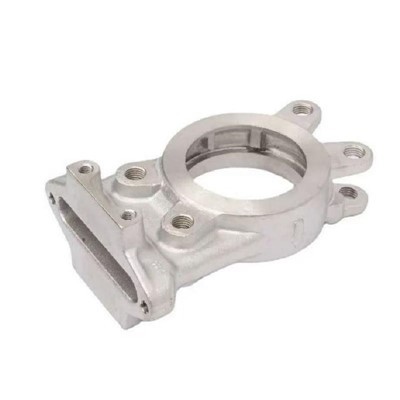
In conclusion, the heat resistance of stainless steel fittings is a complex property that is influenced by various factors, including alloy composition, surface finish, oxidation and scaling resistance, and high – temperature strength. As a supplier of stainless steel fittings, we are committed to providing high – quality products that meet the heat – resistant requirements of different applications.
Fan Impeller If you are in need of stainless steel fittings for heat – resistant applications, our team of experts is ready to assist you. We can help you select the right grade of stainless steel and the appropriate type of fitting for your specific needs. Whether you are working on an industrial furnace project, a power generation system, or an automotive exhaust system, we have the knowledge and experience to provide you with the best solutions. Contact us today to start a procurement discussion and find out how our stainless steel fittings can meet your heat – resistant requirements.
References
- ASM Handbook Volume 13A: Corrosion: Fundamentals, Testing, and Protection
- Stainless Steel World Handbook
- ASTM International Standards on Stainless Steel
Shandong Shunye Stainless Steel Co., Ltd.
Shandong Shunye Stainless Steel Co., Ltd. is one of the most professional stainless steel fittings manufacturers and suppliers in China, also supports customized service. Welcome to buy bulk cheap stainless steel fittings made in China here and get quotation from our factory. For price consultation, contact us.
Address: Shandong Province, Binzhou City, Wudi County, Liubao Town, Zhangdong Road, Duliucun Village
E-mail: sales@wdshunye.com
WebSite: https://www.shunyecasting.com/
