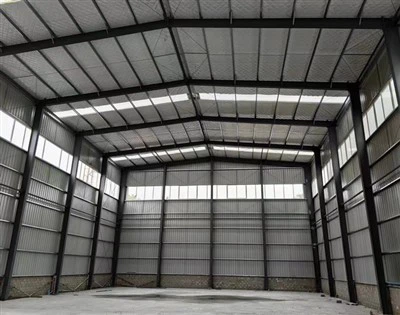
Installing a heating system in an industrial shed is a crucial decision that can significantly impact the efficiency, productivity, and comfort of your working environment. As an experienced supplier of industrial sheds, I’ve witnessed firsthand the transformative effects of a well – installed heating system. In this blog, I’ll guide you through the key steps and considerations for installing a heating system in an industrial shed. Industrial Sheds
Assessing Your Heating Needs
The first step in installing a heating system is to accurately assess your heating needs. Industrial sheds come in various sizes, shapes, and usage patterns, all of which influence the amount of heat required.
Calculate the Heat Loss
To determine the heat loss of your industrial shed, you need to consider several factors. The size of the shed is the most obvious one. A larger shed will require more heat to maintain a comfortable temperature. You can calculate the volume of the shed by multiplying its length, width, and height.
The insulation of the shed also plays a critical role in heat loss. Well – insulated sheds will lose less heat, meaning you’ll need a less powerful heating system. Check the R – value of the insulation in your shed. A higher R – value indicates better insulation.
The number and type of openings in the shed, such as doors and windows, also affect heat loss. Large, frequently opened doors can let a significant amount of heat escape. Consider the frequency of use and the size of these openings when calculating heat loss.
Consider the Usage of the Shed
The activities taking place in the shed will also impact your heating needs. If the shed is used for light assembly work, a lower temperature may be sufficient. However, if workers are handling sensitive materials or need to perform detailed tasks, a higher and more consistent temperature may be required.
Choosing the Right Heating System
Once you have a clear understanding of your heating needs, it’s time to choose the right heating system. There are several types of heating systems available for industrial sheds.
Forced – Air Systems
Forced – air heating systems are one of the most popular choices for industrial sheds. They work by heating air in a furnace and then blowing it through ducts to different parts of the shed. These systems can quickly raise the temperature in a large area and are relatively easy to install.
One of the advantages of forced – air systems is that they can be used with a variety of fuel sources, including natural gas, propane, and electricity. However, they can be noisy, and the air circulation may stir up dust and debris in the shed.
Radiant Heating Systems
Radiant heating systems work by heating objects and people directly, rather than heating the air. They can use electric panels, or hydronic systems that circulate hot water through pipes.
Radiant heating systems are energy – efficient because they don’t waste energy heating the entire volume of air in the shed. They also provide a more comfortable heating experience, as there are no drafts. However, they can be more expensive to install initially, and they may take longer to warm up the space compared to forced – air systems.
Unit Heaters
Unit heaters are standalone heating units that can be mounted on the walls or ceiling of the shed. They come in different sizes and capacities and can be powered by various fuels.
Unit heaters are a good option for smaller industrial sheds or for providing spot heating in specific areas. They are easy to install and can be controlled independently, allowing for more flexibility in heating different parts of the shed.
Selecting the Heating Equipment Supplier
Selecting the right heating equipment supplier is as important as choosing the heating system itself. Here are some factors to consider when making this decision:
Reputation and Experience
Look for a supplier with a good reputation in the industry. Check online reviews, customer testimonials, and ask for references. An experienced supplier will have a better understanding of the heating needs of industrial sheds and can provide more accurate advice and support.
Product Range
A supplier with a wide range of heating products will be able to offer you more options that suit your specific requirements. Whether you need a forced – air system, a radiant heating system, or unit heaters, they should have the right products in stock.
Technical Support
Installing a heating system can be complex, especially in an industrial setting. A reliable supplier should provide technical support, including installation guidance, troubleshooting, and maintenance advice.
Pre – installation Preparations
Before installing the heating system, several preparations need to be made.
Site Inspection
Conduct a detailed site inspection of the industrial shed. This includes checking the layout of the shed, the location of electrical and gas connections, and the available space for the heating equipment.
Identify any potential obstacles or challenges that may affect the installation process, such as low ceilings, protruding pipes, or restricted access areas.
Permits and Regulations
Check the local building codes and regulations regarding the installation of heating systems in industrial sheds. You may need to obtain permits from the relevant authorities before starting the installation.
Ensure that the heating system you choose complies with all the safety and environmental standards.
Budgeting
Set a realistic budget for the heating system installation. This should include the cost of the heating equipment, installation labor, permits, and any additional accessories or modifications.
Get quotes from multiple suppliers and contractors to compare prices and ensure you’re getting the best value for your money.
Installation Process
The installation process of a heating system in an industrial shed typically involves the following steps:
Equipment Placement
Based on the site inspection, determine the best location for the heating equipment. For forced – air systems, the furnace should be placed in a well – ventilated area with easy access to ducts. Radiant heating panels or pipes should be installed in a way that provides even heat distribution.
Ductwork Installation (if applicable)
If you’re installing a forced – air system, the ductwork needs to be installed properly. The ducts should be sized correctly to ensure efficient airflow and should be sealed to prevent air leakage.
Electrical and Gas Connections
Make the necessary electrical and gas connections for the heating system. This should be done by a qualified professional to ensure safety and compliance with regulations.
Testing and Commissioning
Once the installation is complete, test the heating system thoroughly. Check for any leaks, unusual noises, or malfunctions. Adjust the settings to ensure that the system is operating at optimal efficiency.
Post – installation Maintenance
Proper maintenance is essential to keep your heating system running smoothly and efficiently.
Regular Inspections
Schedule regular inspections of the heating system, at least once a year. A professional technician can check the components for wear and tear, clean the system, and identify any potential problems before they become major issues.
Filter Replacement
If your heating system has filters, replace them regularly. Clogged filters can reduce the efficiency of the system and increase energy consumption.
Lubrication and Calibration
Some heating system components may require lubrication to ensure smooth operation. Additionally, the system should be calibrated periodically to maintain accurate temperature control.
Conclusion
Installing a heating system in an industrial shed is a complex but rewarding process. By accurately assessing your heating needs, choosing the right heating system, selecting a reliable supplier, and following the proper installation and maintenance procedures, you can create a comfortable and efficient working environment.
Machinery Sheds If you’re in the market for an industrial shed or need advice on installing a heating system, I’d be more than happy to help. Our team of experts can provide you with personalized solutions based on your specific requirements. Contact us to start a conversation about your project and explore how we can meet your industrial shed and heating system needs.
References
- ASHRAE Handbook of Fundamentals. American Society of Heating, Refrigerating and Air – Conditioning Engineers.
- Industrial Heating Equipment Manufacturers Association (IHEMA) Guidelines.
- Local Building Codes and Regulations for Industrial Installations.
Shandong Honstar Construction Co., Ltd.
As one of the most experienced industrial sheds manufacturers in China, we have world-leading production equipment and strong manufacturing capabilities. Please feel free to buy cost-efficient industrial sheds for sale here from our factory. Contact us for more details.
Address: No.365,Xinhai street,Weifang,Shandong,China
E-mail: info@honstarconstruction.com
WebSite: https://www.steelbuildingchina.com/
