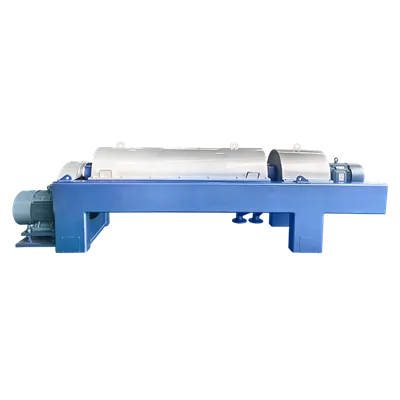
Hey there! So, I’m working with a team that supplies dewatering centrifuges. And you know, one question that pops up a lot from our customers is, "What are the installation requirements for a dewatering centrifuge?" Well, I’m here to break it down for you. Dewatering Centrifuge
Site Requirements
First off, let’s talk about the site where you’ll be installing the centrifuge. Space is super important. You gotta make sure there’s enough room around the centrifuge for easy access. You’ll need space for maintenance work, like opening up the machine to check the parts or replace any worn – out components. A good rule of thumb is to have at least a couple of feet of clearance on all sides of the centrifuge.
The floor where you’re putting the centrifuge also needs to be solid and level. Why? Well, a dewatering centrifuge operates at high speeds. If the floor isn’t level, it can cause the centrifuge to vibrate excessively. This not only makes a lot of noise but can also damage the machine. And a weak floor might not be able to support the weight of the centrifuge, especially when it’s full of the material being dewatered. So, before you start the installation, check the floor’s load – bearing capacity. You might need to reinforce it if it’s not up to the task.
Another thing about the site is the environment. The centrifuge should be installed in a clean and dry area. Dust, dirt, and moisture can all cause problems for the machine. Moisture can lead to rusting of the metal parts, and dust can clog up the filters and other components. If the area is prone to dust, you might want to consider installing some kind of dust – control system. And if it gets humid, you could use a dehumidifier to keep the air dry.
Electrical Requirements
Now, let’s move on to the electrical side of things. The dewatering centrifuge needs a reliable power supply. You need to make sure the voltage of the power supply matches the requirements of the centrifuge. Typically, these machines come with a specified voltage range, and using a voltage outside of this range can damage the motor and other electrical components.
You’ll also need to have a proper electrical connection. This means using the right – sized wires that can handle the current draw of the centrifuge. Using wires that are too thin can lead to overheating, which is a fire hazard. And don’t forget about grounding. A good ground connection is essential for safety. It helps to prevent electrical shocks in case of a short – circuit.
In some cases, you might need to install a dedicated circuit breaker for the centrifuge. This is to protect the machine and other electrical equipment in the area. The circuit breaker should be rated appropriately for the centrifuge’s power consumption.
Piping and Plumbing Requirements
The dewatering centrifuge needs to be connected to a proper piping system for the inflow of the material to be dewatered and the outflow of the separated water and solids. The pipes need to be the right size. If they’re too small, the flow of the material will be restricted, which can reduce the efficiency of the centrifuge. If they’re too large, it can cause problems with the pressure and flow rate.
The pipes also need to be made of the right material. For example, if the material being dewatered is corrosive, you’ll need to use corrosion – resistant pipes. And the pipes should be properly installed with no leaks. Leaks can not only waste the material being processed but can also create a mess in the installation area.
On the plumbing side, you need to have a proper drainage system for the separated water. The drainage should be able to handle the volume of water coming out of the centrifuge. If the drainage is slow or clogged, it can cause the water to back up into the centrifuge, which can damage the machine.
Ventilation Requirements
Ventilation is crucial when it comes to installing a dewatering centrifuge. The machine generates heat during operation, and if there’s no proper ventilation, the heat can build up and cause damage to the components. You need to have a ventilation system that can remove the hot air from around the centrifuge and bring in fresh air.
The ventilation should also be able to handle any fumes or odors that might be produced during the dewatering process. Some materials being dewatered can release unpleasant or even harmful fumes. A good ventilation system can help to keep the air quality in the installation area safe and comfortable.
Operator Training
It’s not just about the physical installation. You also need to make sure that the operators who will be using the centrifuge are properly trained. They should know how to operate the machine safely and efficiently. This includes understanding the control panel, how to start and stop the centrifuge, and what to do in case of an emergency.
Training should also cover maintenance procedures. Operators should be able to perform basic maintenance tasks like cleaning the machine, checking the oil levels (if applicable), and inspecting the belts and other moving parts. Regular maintenance is key to keeping the centrifuge running smoothly and extending its lifespan.
Commissioning and Testing
Once the centrifuge is installed, it’s time for commissioning and testing. This involves running the centrifuge under different conditions to make sure it’s working properly. You’ll need to check the speed of the centrifuge, the separation efficiency, and the overall performance.
During testing, you should also monitor the electrical and mechanical components for any signs of problems. If there are any issues, you’ll need to address them right away before putting the centrifuge into full – time operation.
Spare Parts and Support
It’s a good idea to have some spare parts on hand for the centrifuge. This can help to minimize downtime in case something breaks. Common spare parts include belts, seals, and filters. And of course, you’ll want to have access to technical support. If you run into any problems with the centrifuge, you need to be able to get in touch with someone who can help you troubleshoot and fix the issue.
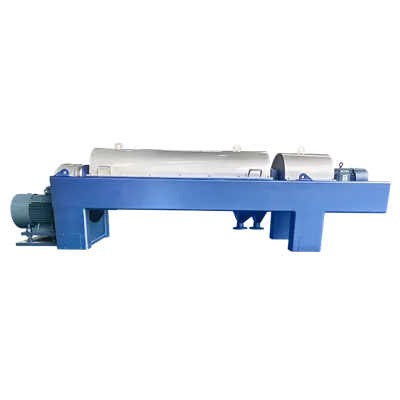
3 Phase Decanter Centrifuge So, there you have it, the main installation requirements for a dewatering centrifuge. If you’re in the market for a dewatering centrifuge and have any questions about the installation or the product itself, don’t hesitate to reach out. We’re here to help you every step of the way, from choosing the right centrifuge for your needs to getting it up and running smoothly. Let’s start a conversation about how our dewatering centrifuges can benefit your business!
References
- "Centrifuge Handbook" by various industry experts
- Manufacturer’s installation guides for dewatering centrifuges
Lishui Yuanrong Environmental Protection Equipment Co., Ltd.
As one of the most professional dewatering centrifuge manufacturers and suppliers in China, we have world-leading production equipment and strong manufacturing capabilities. Please feel free to buy customized dewatering centrifuge from our factory. Also, quotation is available.
Address: Lot 6-1, Block 15, Wanyang Zongchuang City, Lishui, Zhejiang, China
E-mail: 361184920@qq.com
WebSite: https://www.yrhdc.com/
