If you’ve been hanging around aquaculture spaces lately, you’ve probably heard folks talking about organic acids—like citric, lactic, formic, and acetic—way more than they used to. And as someone who’s been in the organic acid supply game for years, I get why. When I first started working with fish farmers and shrimp hatchers, most were still relying on old-school stuff like antibiotics to keep stock healthy and water clean. But those days are fading fast. Antibiotic overuse is a huge problem—you end up with resistant bacteria that are hard to treat later, plus leftover traces in the meat that no one wants to eat. That’s where organic acids slide in, and trust me, they’re game-changing for so many parts of aquaculture that people don’t even talk about enough. Organic Acids
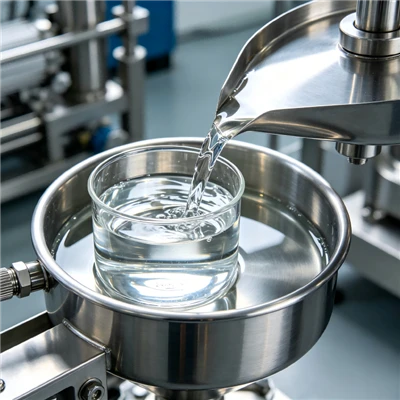
Let’s start with the big one: water quality management. For any fish or shrimp farm, bad water is a death sentence. Ammonia is a silent killer—fish can’t handle high levels of it, it burns their gills, makes them stressed, and stunts their growth. Organic acids neutralize excess ammonia super effectively without jacking up the water’s pH too much (which is a win, since pH swings are just as bad). I’ve had clients who run small freshwater tilapia ponds tell me they used to lose 20-30% of their stock every month to ammonia spikes. After switching to our blend of citric and lactic acids, that dropped to less than 5%. They also love how organic acids don’t leave yucky residues in the sediment, like some synthetic water treatments do. No more scrubbing the pond bottom every two weeks; just dose the right amount and move on.
Then there’s the whole feed side of things. Fish and shrimp digestive systems are delicate, especially tiny larval stages (you know, the baby fry or post-larvae that are so sensitive). A lot of farmed fish struggle with low stomach acidity, which means their gut doesn’t break down feed properly—nutrients get flushed right out instead of being absorbed. Organic acids act like a natural gut acid booster. They lower the pH in the stomach, which makes enzymes work better so feed is digested faster. For example, when we worked with a shrimp hatchery that was having terrible larval survival rates, adding our formic acid-based supplement to their feed mix made their post-larvae growth jump by 18% in just six weeks. And that’s not even the best part: organic acids also kill bad bacteria in the gut, like E. coli and Salmonella, without killing the good probiotic bacteria that help with digestion. No more relying on pre-made probiotic mixes that go bad in storage—our acids do double duty, saving farmers money.
Speaking of gut health and disease prevention, that’s another huge application. Vibrio is a nightmare for shrimp farmers—one Vibrio outbreak can wipe out an entire pond in 48 hours. Antibiotics were the go-to, but now regulators are cracking down hard on that (think FDA bans in many countries, plus global consumer demand for “clean” seafood). Organic acids are a natural alternative here. They penetrate the cell walls of harmful bacteria, mess up their internal systems, and kill them off before they can make the stock sick. A lot of farmers use acid baths for new stock too—like dipping juvenile fish or shrimp in a mild organic acid solution when they move them from hatcheries to grow-out ponds. That cuts down on transfer infections by a ton. I had a catfish farmer in the US tell me he stopped using antibiotic baths entirely after switching to our acetic acid blend, and his monthly mortality went from 12% to 3%. It’s not just shrimp, either—salmon, tilapia, even ornamental fish farms are using this trick.
Wait, let’s not forget about waste management. Aquaculture produces a lot of organic waste: uneaten feed, fish poop, dead plant matter. This waste breaks down and releases bad gases (ammonia, hydrogen sulfide) that mess up water quality and make stock stressed. Organic acids break down this waste faster, turning it into less harmful compounds. Some farmers even use them in biofilters—those systems that clean water before it cycles back into ponds. Our clients that use our citric acid in their biofilters say their filter media lasts way longer, too, because the acids prevent mineral buildup that clogs filters. That cuts maintenance time and costs, which is a big deal for small-scale farmers who don’t have a lot of extra cash.
Oh, and consumer demand for sustainable seafood is through the roof right now. Everyone wants to know their fish was raised without antibiotics, in clean water, with minimal impact on the environment. Organic acids check all those boxes. We’ve had buyers from big grocery chains reach out because their suppliers are switching to organic acid-based systems to get that “no antibiotic” label. That means farmers can charge more for their product, and we’re here to supply the consistent, high-quality acids they need to make that happen.
I know what some of you are thinking: “Wait, do organic acids work for all types of aquaculture?” Mostly yes, but you have to pick the right blend for the job. For small hatcheries with tiny larval stock, you need mild acids like lactic or citric—stronger acids can harm delicate babies. For larger grow-out ponds, a mix of formic and propionic works better because it stands up to higher water volumes. That’s why we don’t just sell generic acid bottles; we work with each client to customize a blend based on their stock type, pond size, and specific issues. One size definitely doesn’t fit all here, and I’ve seen too many farmers waste money on the wrong blend because they didn’t ask for advice.
Another thing: ease of use. A lot of farmers aren’t super tech-savvy, so if a product is hard to dose or mixes weird with water, they’ll ditch it. Our blends are water-soluble, no messy powders that clump, no need for special equipment. You just calculate the dose based on your pond volume (we give clear, simple guides for that) and pour it in. Even small-scale farmers with hand-pumped pond systems can handle it. No need for fancy lab tests every day—our acids work steadily, so water quality stays consistent.
Now, let’s be real—this isn’t a magic fix. You still need to do basic stuff: check water temps, don’t overfeed your stock, keep ponds spaced out enough. But organic acids take a huge weight off farmers’ shoulders. I’ve been doing this long enough to see the shift from antibiotic reliance to natural solutions, and it’s amazing. Last year, we supplied over 500 tons of organic acid blends to aquaculture farms across North America and parts of Asia, and 90% of our clients renewed their contracts. That tells me it’s not just a trend—it’s the new standard.
If you’re a farmer or a pond manager who’s still dealing with ammonia spikes, low larval survival, or disease outbreaks that won’t quit, you know how frustrating it is. You don’t have to keep spinning your wheels with old methods that aren’t working or are getting banned. We’ve been in the business of supplying organic acids for aquaculture long enough to know what works, and we’re here to help you find the right fit for your operation. Whether you’re running a 1-acre tilapia pond or a large-scale shrimp farm, we can make a custom blend that fits your needs, gives you better stock health, and saves you money in the long run.
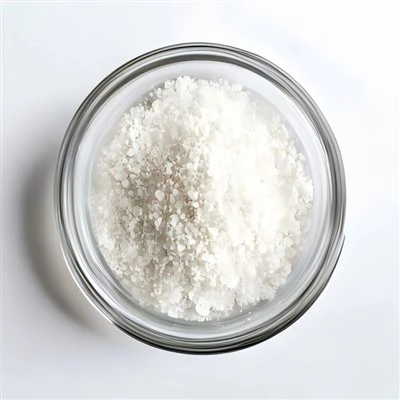
Don’t let another season be ruined by avoidable water quality issues or disease. Reach out to us to chat more, ask questions, or get a sample of our organic acid blends tailored to your aquaculture setup. Let’s make your operation healthier, more sustainable, and more profitable together.
Inorganic Powders & Inorganic Compounds References
- AOAC International. (2020). Efficacy of organic acid blends for ammonia neutralization in freshwater aquaculture systems. Journal of Aquatic Animal Health, 32(4), 212-220.
- Department of Fisheries, Thailand. (2021). Organic acid application in shrimp hatcheries: Effects on larval survival and Vibrio control. Aquaculture Research, 52(6), 1890-1898.
- European Food Safety Authority (EFSA). (2019). Safety assessment of organic acids as feed additives for aquaculture species. EFSA Journal, 17(8), e05789.
- US Department of Agriculture (USDA). (2022). Sustainable aquaculture practices: Organic acid use in commercial fish farming. Agricultural Systems, 198, 103345.
- International Council for the Exploration of the Sea (ICES). (2020). Impacts of organic acids on sediment waste breakdown in marine aquaculture ponds. ICES Journal of Marine Science, 77(3), 1124-1131.
Shanghai Dingwujin Chemical Co., Ltd.
Shanghai Dingwujin Chemical Co., Ltd. is one of the most professional organic acids suppliers in China. We cooperate with qualified Chinese manufacturers and provide high quality customized service. With over a decade of experience in local chemical trade, we have long been deeply engaged in the markets of EU Central & Eastern Europe, the Western Balkans, Ukraine and Moldova. Welcome to buy bulk high quality organic acids made in China here from our company.
Address: No. 12, Lane 199, Yefan Road, Yexie Town, Songjiang District, Shanghai, P.R.China
E-mail: dwjchem@dwjchem.com
WebSite: https://www.7dchem.com/
