In the dynamic landscape of textile technology and sustainable fashion, I’m thrilled to unveil the remarkable story of Modified Twill – an eco – friendly textile that is redefining the standards of responsible production. As a dedicated supplier of Modified Twill, I’ve witnessed firsthand the transformative power of this material in promoting environmental conservation, without compromising on style or quality. Modified Twill
Sustainable Fiber Sourcing
One of the primary ways that Modified Twill proves its eco – friendliness lies in its sourcing of fibers. The traditional twill fabric is typically made from cotton, which, in conventional farming, demands excessive amounts of water, pesticides, and fertilizers. However, the Modified Twill we offer emphasizes the use of organic cotton. Organic cotton is grown without the use of synthetic pesticides and fertilizers, which significantly reduces water pollution and soil degradation. The absence of harmful chemicals also protects the health of farmers and agricultural workers.
We’ve also explored the incorporation of other sustainable fibers into our Modified Twill. Bamboo fiber, for instance, is a versatile and fast – growing resource. Bamboo can be harvested without killing the plant, allowing it to regrow rapidly. This makes it a highly renewable fiber source. Additionally, bamboo naturally resists pests, so there’s no need for chemical pesticides during its growth. Linen, derived from the flax plant, is another fiber we use. Flax cultivation requires less water compared to cotton and its production process is relatively energy – efficient.
Energy – Efficient Manufacturing
The manufacturing process of Modified Twill is designed to minimize energy consumption. Our facilities are equipped with state – of – the – art machinery that has been optimized for energy efficiency. These modern machines use advanced technologies to reduce the amount of energy required for weaving, dyeing, and finishing the fabric.
For example, we’ve implemented a closed – loop water system in our dyeing process. Instead of discharging large volumes of wastewater after dyeing, the water is treated and recycled within the system. This not only conserves water but also reduces the energy needed to pump and treat fresh water. Moreover, the traditional high – temperature dyeing methods are replaced with low – temperature alternatives. This not only cuts down on energy consumption but also helps in preserving the quality of the fibers, resulting in a longer – lasting fabric.
When it comes to weaving, we use electronic jacquard looms that are more precise and energy – efficient compared to traditional looms. These looms can create complex twill patterns with less energy waste, as they can be programmed to use only the necessary amount of yarn and power.
Reduced Chemical Usage
In the textile industry, chemical usage is a major concern for environmental pollution. Modified Twill sets itself apart by significantly reducing the amount of chemicals used in its production. We use natural dyes as much as possible. Natural dyes are derived from plants, insects, and minerals, and they are biodegradable. They do not release harmful toxins into the environment during the dyeing process or when the fabric is discarded.
In place of harsh chemical finishes, we’ve adopted eco – friendly alternatives. For example, instead of using formaldehyde – based wrinkle – resistant finishes, we apply a natural resin that is derived from plants. This resin provides a similar anti – wrinkling effect without the associated health risks and environmental damage. We also use enzymes for fabric softening instead of traditional chemical softeners. Enzymes are biodegradable and are less likely to cause allergic reactions in consumers.
Longevity and Durability
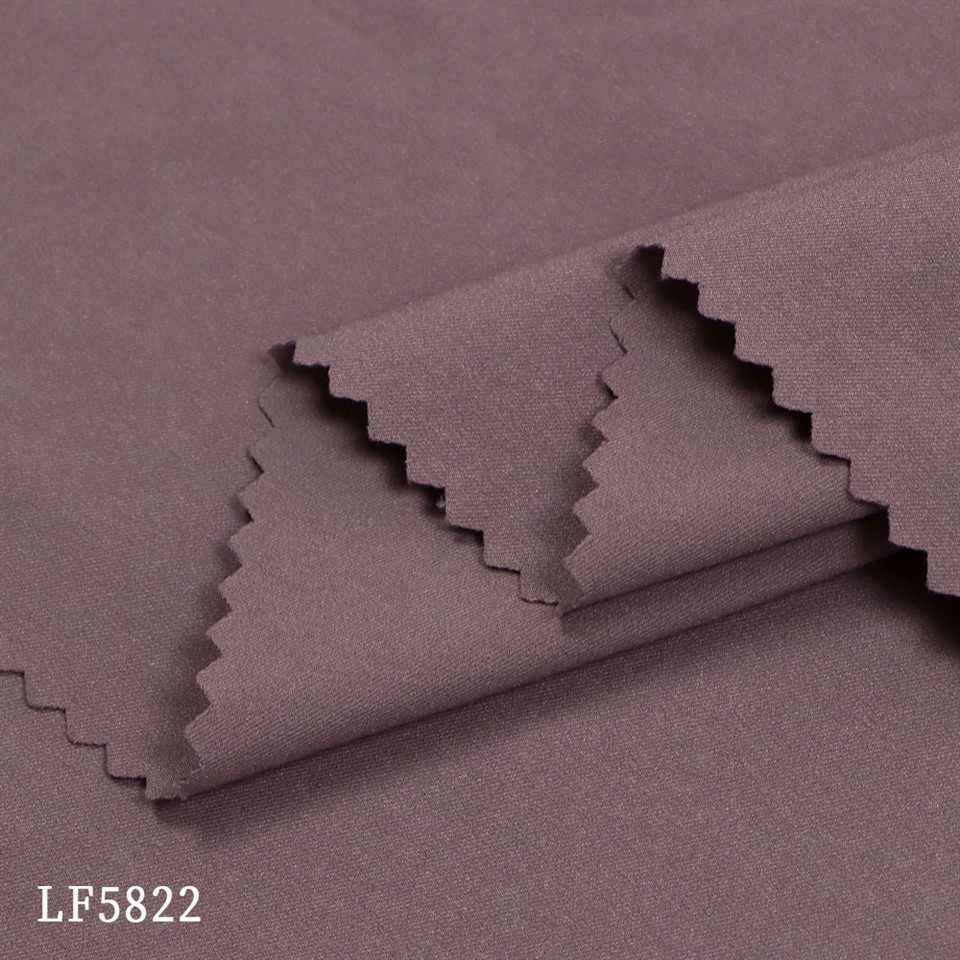
One of the most often overlooked aspects of environmental friendliness in textiles is the longevity of the product. Modified Twill is known for its exceptional durability. The twill weave structure, which is characterized by diagonal parallel ribs, gives the fabric great strength and resistance to wear and tear. This means that products made from Modified Twill last longer, reducing the need for frequent replacements.
A longer – lasting fabric translates into less textile waste. In a world where fast fashion has contributed to mountains of textile landfill waste, the durability of Modified Twill is a significant step forward. Consumers can invest in high – quality Modified Twill products, knowing that they will enjoy them for many years. Whether it’s a pair of jeans, a work jacket, or a set of curtains, the longevity of Modified Twill helps to reduce the overall environmental impact associated with the textile lifecycle.
Easy Recycling and Biodegradability
Modified Twill is designed with end – of – life considerations in mind. When the fabric reaches the end of its useful life, it can be easily recycled. The fibers in the fabric can be separated and spun into new yarns, which can then be used to manufacture new Modified Twill or other textile products. This reduces the demand for virgin fibers and conserves natural resources.
Moreover, because of the use of natural fibers such as organic cotton, bamboo, and linen, Modified Twill is biodegradable. When disposed of in a composting environment, the fabric will naturally break down over time, without leaving behind harmful pollutants. This is a stark contrast to synthetic fabrics that can take hundreds of years to decompose in landfills.
Low Carbon Footprint
The entire supply chain of Modified Twill is engineered to have a low carbon footprint. From the sourcing of sustainable fibers to the energy – efficient manufacturing process and the transportation of the finished products, we are constantly looking for ways to reduce greenhouse gas emissions.
We work closely with our fiber suppliers to ensure that they follow sustainable farming and harvesting practices. By promoting local sourcing, we minimize the distance that fibers need to travel, reducing transportation – related emissions. In our manufacturing facilities, we are gradually transitioning to renewable energy sources such as solar and wind power. This further reduces our reliance on fossil fuels and helps to mitigate the environmental impact of our operations.
Aligning with Circular Economy Principles
The concept of a circular economy is at the heart of our Modified Twill strategy. We strive to create a closed – loop system where resources are reused, recycled, and regenerated. By manufacturing a textile that is durable, recyclable, and biodegradable, we are contributing to a more sustainable future.
We also encourage our customers to participate in the circular economy. For example, we are exploring take – back programs where customers can return their worn – out Modified Twill products. These products can then be recycled into new materials, extending the lifecycle of the fabric and reducing waste.

If you’re a fashion brand looking to offer sustainable products, a home decor retailer in search of eco – friendly fabrics, or an individual passionate about making environmentally conscious choices in your purchases, Modified Twill is the ideal solution. Our commitment to environmental friendliness ensures that you can offer high – quality products with a minimal impact on the planet.
Broken Twill I invite you to get in touch with us to discuss your specific requirements. Whether you need a large – scale supply for your brand or a custom – made Modified Twill product, we’re here to help you achieve your sustainability goals. We look forward to the opportunity to partner with you and create a more sustainable future in the textile industry.
References
- "Sustainable Fiber Production." Journal of Textile Science and Engineering.
- "Energy – Efficient Manufacturing in the Textile Industry." International Journal of Green Technology.
- "Natural Dyes: A Sustainable Alternative in Textile Dyeing." Dyes and Pigments Research.
- "Circular Economy in Textiles: Challenges and Opportunities." European Journal of Sustainable Fashion.
Shaoxing Huichao Textile Co., Ltd.
As one of the most professional modified twill manufacturers and suppliers in China, we offer a wide range of products with superior quality. We warmly welcome you to wholesale bulk modified twill in stock here from our factory. If you have any enquiry about cooperation, please feel free to email us.
Address: Shenyue International Build ing, Unit 1603-1605, Keqiao District, Shaoxing City, Zhejiang Province, China
E-mail: darrenzhong@huichaotextile.com
WebSite: https://www.huichaotextile.com/
