Hey there! As a long – time gaskets supplier in the industry, I’ve had my fair share of interesting encounters and deep – dives into the world of chemical processing plants. So, let’s chatter about what functions gaskets play in these places. Gaskets
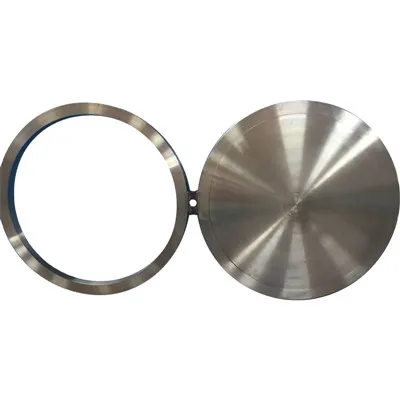
First off, one of the primary functions of gaskets in chemical processing plants is sealing. These plants deal with all sorts of chemicals, some of which can be pretty volatile and dangerous. Gaskets act as a barrier between different parts of the equipment, preventing the leakage of these chemicals. For instance, in pipelines where various fluids are transported, a proper gasket ensures that there aren’t any leaks. A tiny leak might seem harmless at first, but over time, it can lead to significant losses. Not only does it waste valuable chemicals, but it can also pose a safety risk to the workers. I remember a case where a small leak in a pipeline went unnoticed for a while. Turns out, the gasket had degraded due to constant exposure to a corrosive chemical. It led to a small spill, which could have been avoided if the gasket was of high – quality and regularly inspected.
Another crucial function is pressure containment. Chemical processing often involves high – pressure operations. Whether it’s in reactors where chemical reactions take place under specific pressure conditions or in pumps that are used to move fluids around, gaskets help maintain the required pressure. They are designed to withstand the forces exerted by the high – pressure substances within the equipment. If a gasket fails under high pressure, it can cause a sudden release of pressure, which can be extremely dangerous. I’ve seen how a blown – out gasket in a high – pressure reactor can lead to a big mess. The explosion – like effect can damage the equipment, and there’s always the risk of chemicals being sprayed everywhere. So, in essence, gaskets are like the unsung heroes that keep the pressure in check.
Gaskets also play a role in temperature regulation. Chemical processes can generate a lot of heat, and different parts of the equipment may need to operate at specific temperatures. Gaskets can act as insulators to some extent, helping to maintain the right temperature gradient. For example, in heat exchangers, gaskets separate the hot and cold fluids. They prevent the hot fluid from prematurely heating up the cold fluid or vice – versa. This is really important for the efficiency of the heat exchange process. If the gasket doesn’t do its job properly, the heat transfer might not occur as expected, and the whole operation of the heat exchanger can be messed up.
When it comes to vibration and noise reduction, gaskets are pretty handy too. In chemical plants, there are a lot of moving parts, like pumps, compressors, and agitators. These machines generate vibrations and noise as they operate. Gaskets can absorb some of these vibrations. By doing so, they not only reduce the noise level in the plant but also prevent excessive wear and tear on the equipment. If the vibrations aren’t dampened, they can cause parts to loosen over time, leading to potential breakdowns. I once had a client who was complaining about a lot of noise coming from their pumps. After a look, we found that the gaskets were worn out. Replacing them made a huge difference, both in terms of noise and the long – term health of the pumps.
Now, talking about chemical compatibility. You can’t just use any gasket in a chemical processing plant. Different chemicals react differently with materials. Gaskets need to be made from materials that are compatible with the chemicals they come in contact with. For example, if you’re dealing with acids, gaskets made from materials resistant to acid corrosion, like some types of rubber or synthetic polymers, are the way to go. If you use the wrong gasket material, it can quickly degrade. I’ve heard stories of gaskets that swelled up or became brittle because they weren’t compatible with the chemicals. This can lead to seal failures and all sorts of problems down the line.
In addition to the above, gaskets can also help with alignment. In complex chemical processing equipment, getting all the parts in the right position is crucial. Gaskets can act as spacers and help ensure that the different components are properly aligned. This is especially important in large – scale equipment where even a small misalignment can cause issues with the overall operation.
As a gaskets supplier, I’ve seen firsthand how important it is for chemical processing plants to have high – quality gaskets. The right gaskets can save a plant a lot of money in the long run by preventing leaks, reducing equipment damage, and improving overall efficiency. If you’re running a chemical processing plant or are involved in its maintenance, don’t skimp on gaskets.
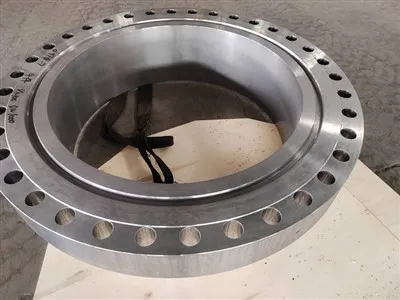
If you’re looking for top – notch gaskets for your chemical processing needs, I’m here for you. Our gaskets are made from the best materials, tested rigorously to ensure they meet all the requirements. We can provide custom – made gaskets to fit your specific equipment and chemical processes. So, don’t hesitate to reach out for a procurement discussion. We can talk about your needs, find the best solutions, and make sure your plant runs smoothly.
Din Flange References:
- "Handbook of Gasket Technology"
- "Chemical Processing Equipment: Selection and Design"
Shanxi Xinshunda Flange Manufacturing Co., Ltd.
As one of the most professional gaskets manufacturers and suppliers in China, we also support customized service with competitive price. We warmly welcome you to wholesale high quality gaskets for sale here from our factory. For quotation, contact us now.
Address: Zhunagli Industrial Zone,jinchang Town,dingxiang,shanxi,china
E-mail: sales01@xinflange.com
WebSite: https://www.xinflange.com/
