In the dynamic landscape of modern manufacturing, high – end processing machines stand as the cornerstone of precision, efficiency, and innovation. As a seasoned supplier of processing machines, I’ve witnessed firsthand the transformative power these advanced tools bring to various industries. In this blog, I’ll delve into the special features that set high – end processing machines apart from their counterparts, and how these features can revolutionize your manufacturing operations. Processing Machine

Precision Engineering
One of the most defining characteristics of high – end processing machines is their unparalleled precision. Precision is not just a buzzword; it’s a critical requirement in industries such as aerospace, automotive, and medical device manufacturing. High – end machines are engineered to achieve micron – level accuracy, ensuring that every component produced meets the strictest quality standards.
For example, in the aerospace industry, where safety is of utmost importance, high – end machining centers can produce turbine blades with extremely tight tolerances. These blades need to be precisely machined to optimize aerodynamics and ensure efficient engine performance. The advanced control systems in high – end machines use real – time feedback mechanisms to adjust cutting parameters, compensating for any variations in the material or tool wear. This results in parts with consistent dimensions and surface finishes, reducing the need for post – processing and improving overall product quality.
Advanced Automation
Automation is another key feature that distinguishes high – end processing machines. In today’s fast – paced manufacturing environment, efficiency and productivity are crucial. High – end machines come equipped with state – of the – art automation technologies that streamline the production process, reduce human error, and increase throughput.
Robotic loading and unloading systems are a common sight in high – end machining facilities. These robots can handle raw materials, transfer workpieces between different machining operations, and even perform quality inspections. For instance, a robotic arm can pick up a raw metal block, place it on the machining table, and after the machining process is complete, remove the finished part and place it in the quality control area. This not only speeds up the production process but also allows human operators to focus on more complex tasks, such as programming and maintenance.
In addition to robotic automation, high – end processing machines often feature advanced CNC (Computer Numerical Control) systems. These systems can be programmed to perform a wide range of machining operations with high precision and repeatability. Operators can create complex machining programs using CAD/CAM software and then transfer them to the machine’s controller. The CNC system interprets the program and controls the movement of the cutting tools, spindle speed, and feed rate, ensuring that the machining process is carried out exactly as planned.
Multi – Axis Capability
High – end processing machines typically offer multi – axis capabilities, which allow for the creation of complex geometries that would be impossible or extremely difficult to produce with traditional machines. The most common multi – axis configurations are 4 – axis and 5 – axis machines.
A 4 – axis machine adds a rotary axis to the traditional 3 – axis (X, Y, Z) system, allowing the workpiece to be rotated during machining. This enables the machining of parts with curved surfaces or features that require access from multiple angles. For example, in the production of automotive engine components, a 4 – axis machine can be used to machine complex valve seats and ports more efficiently.
A 5 – axis machine takes multi – axis machining to the next level by adding an additional rotary axis, providing even greater flexibility and access to the workpiece. With a 5 – axis machine, the cutting tool can approach the workpiece from almost any angle, allowing for the production of intricate parts with undercuts, deep cavities, and complex contours. This is particularly useful in industries such as mold making and aerospace, where parts need to be machined with high precision and complexity.
High – Speed Machining
High – speed machining is a feature that significantly enhances the productivity of high – end processing machines. By increasing the spindle speed and feed rate, high – speed machining reduces the time required to machine a part, resulting in higher throughput and lower production costs.
High – end machines are designed with advanced spindle technology that can achieve speeds of up to 40,000 RPM or even higher. These high – speed spindles are capable of removing material at a much faster rate than traditional spindles, while still maintaining high precision and surface finish. In addition, high – speed machining reduces the heat generated during the cutting process, which helps to extend tool life and improve the quality of the machined part.
For example, in the production of aluminum components for the electronics industry, high – speed machining can be used to quickly mill out the complex shapes and features required. The high – speed cutting action allows for a smooth surface finish, eliminating the need for additional finishing operations.
Intelligent Monitoring and Diagnostic Systems
Modern high – end processing machines are equipped with intelligent monitoring and diagnostic systems that provide real – time information about the machine’s performance and health. These systems use sensors to collect data on various parameters, such as spindle speed, cutting force, temperature, and vibration.
The collected data is then analyzed by the machine’s control system or a connected computer. If any abnormal conditions are detected, such as excessive tool wear or a sudden increase in cutting force, the system can automatically adjust the machining parameters or send an alert to the operator. This proactive approach to maintenance helps to prevent machine breakdowns, reduce downtime, and ensure consistent product quality.
For instance, if the vibration sensor detects an unusual vibration pattern during machining, it could indicate a problem with the cutting tool or the workpiece setup. The system can then pause the machining process and prompt the operator to check and correct the issue, avoiding potential damage to the machine and the workpiece.
Customization and Flexibility
High – end processing machines are often highly customizable to meet the specific needs of different industries and applications. As a supplier, we understand that every customer has unique requirements, and we work closely with them to design and configure machines that are tailored to their production processes.
We can offer options such as different spindle types, tool changers, coolant systems, and control interfaces. For example, a customer in the woodworking industry may require a machine with a special spindle for high – speed milling of wood, while a customer in the metalworking industry may need a machine with a heavy – duty tool changer for quick tool swapping.
In addition to hardware customization, high – end machines also offer software flexibility. The CNC control systems can be easily programmed and reprogrammed to accommodate different machining operations and part designs. This allows manufacturers to quickly adapt to changing market demands and produce a variety of products on the same machine.
Energy Efficiency
In today’s environmentally conscious world, energy efficiency is an important consideration for manufacturing companies. High – end processing machines are designed with energy – saving features that help to reduce power consumption and lower operating costs.
Advanced motor technologies, such as servo motors, are used in high – end machines to provide precise control of the machine’s movements while consuming less energy. These motors can adjust their speed and torque according to the machining requirements, reducing unnecessary power consumption. In addition, high – end machines often feature intelligent power management systems that automatically turn off non – essential components when they are not in use.
For example, a high – end machining center may have a power – saving mode that reduces the spindle speed and other functions when the machine is idle. This not only saves energy but also extends the lifespan of the machine’s components.
Conclusion
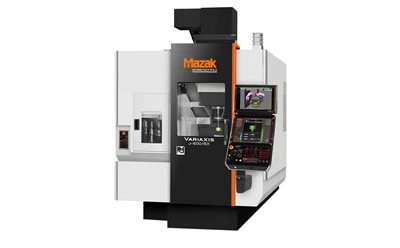
The special features of high – end processing machines, including precision engineering, advanced automation, multi – axis capability, high – speed machining, intelligent monitoring, customization, and energy efficiency, make them indispensable tools in modern manufacturing. These features enable manufacturers to produce high – quality products with greater efficiency, lower costs, and increased flexibility.
Measuring Machine If you’re looking to upgrade your manufacturing capabilities and take your production to the next level, I encourage you to explore the possibilities of high – end processing machines. Our team of experts is ready to work with you to understand your specific needs and recommend the most suitable solutions for your business. Contact us today to start a discussion about how we can help you achieve your manufacturing goals.
References
- Smith, J. (2019). Precision Machining Technology. Industrial Press.
- Jones, A. (2020). Automation in Manufacturing. McGraw – Hill.
- Brown, R. (2021). Multi – Axis Machining: Principles and Applications. Wiley.
Hermens Industrial Co., Ltd.
As one of the most professional processing machine enterprises in China, we’re featured by quality products and low price. Please rest assured to buy cheap processing machine in stock here and get quotation from our factory. We also accept customized orders.
Address: 9/59 Moo 14, Rachathewa , Bang Phli , Samut Prakan Province 10540
E-mail: liu_jincheng@hzhemen.com
WebSite: https://www.hermensindustrial.com/
