Can fume hoods be used for biological samples? This is a question that often arises among researchers, laboratory managers, and other professionals working in the scientific and medical fields. As a supplier of fume hoods, I’m frequently asked this query. This article delves into the suitability of fume hoods for biological samples, exploring the pros, cons, and key considerations. Fume Hoods
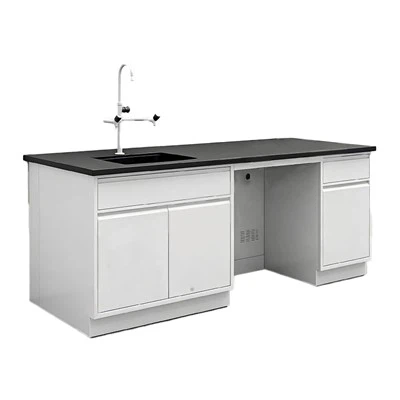
Understanding Fume Hoods
Fume hoods are essential pieces of equipment in laboratories. Their primary function is to protect laboratory personnel from inhaling hazardous fumes, vapors, and dust. They operate by drawing air into the hood and exhausting it outside the building, creating a negative pressure environment inside the hood. This ensures that any potentially harmful substances are removed from the immediate work area.
There are different types of fume hoods, including conventional fume hoods, ductless fume hoods, and walk – in fume hoods. Conventional fume hoods are connected to a building’s ventilation system, while ductless fume hoods use filters to remove contaminants from the air before recirculating it into the laboratory. Walk – in fume hoods, as the name suggests, are large enough for a person to walk into and are used for handling large or bulky items.
Suitability of Fume Hoods for Biological Samples
Advantages
- Protection from Contamination: Fume hoods can offer a degree of protection against cross – contamination. When handling biological samples, especially those that may contain infectious agents or allergens, a fume hood can prevent the spread of these substances throughout the laboratory. The steady airflow within the hood helps to keep the sample area clean and reduces the risk of contamination from airborne particles in the laboratory environment.
- Protection for Laboratory Personnel: Many biological samples can produce harmful aerosols. For example, when pipetting, centrifuging, or performing other procedures on biological samples, small droplets can be released into the air. Inhaling these aerosols can pose serious health risks, such as infections or allergic reactions. A fume hood can capture these aerosols and prevent them from reaching the laboratory personnel.
- Control of Odors: Some biological samples, especially those undergoing decomposition or fermentation, can produce strong and unpleasant odors. Fume hoods can effectively remove these odors from the laboratory, creating a more comfortable working environment.
Disadvantages
- Lack of Sterility: Fume hoods are not designed to provide a sterile environment. While they can reduce the risk of contamination from airborne particles, they do not eliminate all potential sources of contamination. For example, the surfaces inside a fume hood may be contaminated with bacteria, fungi, or other microorganisms. Therefore, for applications that require a completely sterile environment, such as cell culture or some types of microbiological work, a fume hood may not be sufficient.
- Inadequate Protection for Some Biohazards: Fume hoods are effective at capturing and removing many types of aerosols, but they may not be suitable for all biohazards. For example, some extremely small or highly infectious particles may be able to permeate through the airflow in the hood and reach the laboratory personnel. Additionally, fume hoods are generally not designed to handle high – level biological agents, such as those classified as Biosafety Level 3 (BSL – 3) or Biosafety Level 4 (BSL – 4) pathogens.
- Effect on Sample Integrity: The airflow in a fume hood can sometimes have a negative impact on the integrity of biological samples. For instance, if the airflow is too strong, it can cause evaporation of liquids in the samples, leading to changes in the sample’s concentration. Moreover, some sensitive biological samples may be affected by the temperature and humidity changes caused by the airflow in the fume hood.
Key Considerations
Type of Biological Sample
The type of biological sample being used is a crucial factor. For non – infectious samples, such as plant tissue samples or some types of environmental samples, a fume hood may be a suitable option. However, for samples containing infectious agents, especially those at higher biosafety levels, a more specialized piece of equipment, such as a biosafety cabinet, may be required. Biosafety cabinets are designed specifically to handle biological samples and provide a higher level of protection for both the operator and the sample.
Procedure Being Performed
The procedure being carried out on the biological sample also plays a significant role. Simple procedures like sample weighing or preparation may be safely conducted in a fume hood. However, more complex procedures, such as those involving the generation of large amounts of aerosols (e.g., sonicating cells), may require a biosafety cabinet. The risk associated with the procedure, in terms of aerosol generation and potential exposure to biohazards, should be carefully evaluated.
Laboratory Safety Regulations
It is essential to comply with laboratory safety regulations. Different countries and institutions have different rules regarding the handling of biological samples. In some cases, using a fume hood for certain biological samples may not meet safety requirements. For example, regulatory bodies may mandate the use of biosafety cabinets for handling specific pathogens or performing particular procedures.
When Fume Hoods Can Be Used for Biological Samples
- Low – Risk Samples: Fume hoods can be used for handling low – risk biological samples. These include samples that do not contain infectious agents or are only associated with a low level of risk. For example, handling plant materials or non – pathogenic bacteria in a fume hood can be a practical way to control odors and prevent the spread of particles within the laboratory.
- Complementary Use: Fume hoods can be used in conjunction with other safety equipment. For example, if a biosafety cabinet is in use for a high – risk procedure, a fume hood can be used for the pre – or post – processing steps that are of lower risk. This can help to optimize the use of laboratory resources and ensure a more efficient workflow.
When to Avoid Using Fume Hoods for Biological Samples
- High – Risk Samples: As mentioned earlier, fume hoods should not be used for high – risk biological samples, such as BSL – 3 or BSL – 4 pathogens. These samples require the use of specialized biosafety cabinets that provide a higher level of containment.
- Sterile Procedures: For procedures that require a sterile environment, fume hoods are not appropriate. Biosafety cabinets, especially those of Class II, are designed to provide a sterile workspace and are the preferred choice for cell culture, microbiological plating, and other sterile procedures.
Conclusion
In conclusion, fume hoods can be used for certain biological samples under specific circumstances. They offer some advantages in terms of protection from contamination, protection for laboratory personnel, and odor control. However, they also have limitations, especially in terms of sterility and protection against high – level biohazards.
When considering whether to use a fume hood for biological samples, it is crucial to assess the type of sample, the procedure being performed, and comply with laboratory safety regulations. If you are unsure about the suitability of a fume hood for your specific application, it is advisable to consult with a laboratory safety expert or the manufacturer of the fume hood.
Safety Storage Cabinet As a fume hood supplier, we understand the importance of having the right equipment for your laboratory needs. Our fume hoods are designed to provide reliable and efficient protection. If you are in the process of selecting equipment for your laboratory, or if you have any questions about using fume hoods for biological samples, we encourage you to contact us. Our team of experts can provide you with detailed information and help you make an informed decision.
References
- "Laboratory Ventilation Guide", American Society of Heating, Refrigerating and Air – Conditioning Engineers (ASHRAE).
- "Biosafety in Microbiological and Biomedical Laboratories", Centers for Disease Control and Prevention (CDC).
- "Safety in Academic Chemistry Laboratories", American Chemical Society (ACS).
HAMECC(Shanghai) Lab Solutions Co., Ltd.
We’re well-known as one of the leading fume hoods manufacturers and suppliers in China, featured by quality products and good price. Please rest assured to buy customized fume hoods made in China here from our factory.
Address: Building 1, No. 2222, Huancheng Road, Jiading District, Shanghai
E-mail: info@hamecc.com
WebSite: https://www.hamecc.com/
