Hey there! If you’re into the world of woodworking, metalworking, or other similar industries, you’ve probably come across the Vertical Band Saw Series. As a supplier of these awesome machines, I’ve had my fair share of customers asking me, "What kind of blades are suitable for the Vertical Band Saw Series?" Well, that’s exactly what we’re gonna talk about today. Vertical Band Saw Series
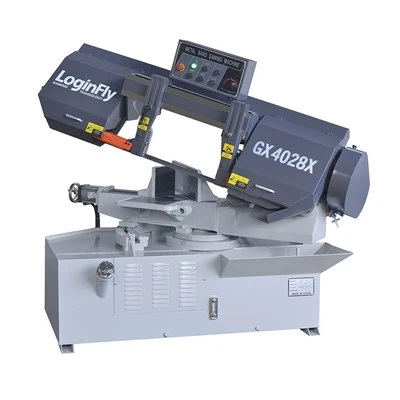
First off, let’s get a basic understanding of the Vertical Band Saw Series. These saws are super versatile. They can handle a wide range of materials, from softwoods to hardwoods, and even some metals. The vertical design allows for more precision cuts, especially when you’re dealing with irregular shapes or curves. But to get the best performance out of your vertical band saw, you need to choose the right blade.
Blade Types
1. Carbon Steel Blades
Carbon steel blades are a classic choice. They’re relatively inexpensive, which makes them a great option for beginners or those on a tight budget. These blades are good for cutting softwoods and non – ferrous metals like aluminum. They have a decent cutting speed and can hold an edge well for light – duty work.
However, carbon steel blades do have some drawbacks. They’re not as durable as some other types of blades, especially when it comes to cutting harder materials. They can dull quickly if you’re using them to cut hardwoods or ferrous metals. So, if you’re planning on doing a lot of heavy – duty cutting, you might want to look elsewhere.
2. High – Speed Steel (HSS) Blades
High – speed steel blades are a step up from carbon steel blades. As the name suggests, they can cut at higher speeds without losing their edge as quickly. HSS blades are great for cutting a variety of materials, including hardwoods, plastics, and some metals.
They’re more expensive than carbon steel blades, but the extra cost is worth it if you’re doing a lot of cutting. HSS blades can withstand higher temperatures, which means they can maintain their sharpness for longer periods of time. This makes them a popular choice for professional woodworkers and metalworkers.
3. Bi – Metal Blades
Bi – metal blades are a combination of high – speed steel teeth and a flexible alloy steel back. This design gives them the best of both worlds. The high – speed steel teeth can cut through tough materials like stainless steel, while the flexible back allows the blade to bend around curves without breaking.
Bi – metal blades are more expensive than carbon steel and HSS blades, but they offer excellent performance. They’re ideal for industrial applications where you need to cut through a variety of tough materials. If you’re running a small business or a professional shop, bi – metal blades are definitely worth considering.
4. Carbide – Tipped Blades
Carbide – tipped blades are the top of the line when it comes to cutting blades. The carbide tips are incredibly hard and can cut through the toughest materials with ease. They’re perfect for cutting abrasive materials like fiberglass, laminates, and thick metals.
These blades are very expensive, but they last a long time. If you’re working on high – end projects or dealing with very hard materials on a regular basis, carbide – tipped blades are the way to go. However, they’re not suitable for all applications. They’re a bit too brittle for some types of curved cuts, so you need to use them carefully.
Blade Tooth Configurations
The tooth configuration of the blade is also an important factor to consider. Different tooth configurations are better suited for different types of cuts.
1. Raker Set
A raker set is one of the most common tooth configurations. In a raker set, the teeth alternate in direction, with every third tooth bent in the opposite direction of the other two. This design helps to clear the sawdust and chips from the cut, which reduces the chances of the blade binding.
Raker set blades are great for cross – cutting and ripping through softwoods and some metals. They provide a smooth cut and are easy to use.
2. Hook Tooth
Hook tooth blades have teeth that are angled forward. This design allows the blade to cut quickly and aggressively. Hook tooth blades are best for rough cutting or cutting through thick materials.
However, they can leave a rougher finish on the cut surface. So, if you’re looking for a smooth, precise cut, a hook tooth blade might not be the best choice.
3. Skip Tooth
Skip tooth blades have widely spaced teeth. This design is great for cutting through thick materials or materials that tend to clog the blade, like plastics. The wide spacing between the teeth allows for better chip removal, which reduces the chances of the blade overheating.
Skip tooth blades are not as good for fine, detailed cuts as some other tooth configurations, but they’re perfect for heavy – duty cutting.
Blade Dimensions
The dimensions of the blade are also crucial. You need to make sure that the blade you choose is the right width, thickness, and length for your vertical band saw.
The width of the blade affects the type of cuts you can make. A wider blade is more stable and better for straight cuts, while a narrower blade is more flexible and better for cutting curves.
The thickness of the blade determines its strength. Thicker blades are more durable and can handle heavier cutting loads, but they’re also less flexible. Thinner blades are more flexible but may not be as strong.
The length of the blade needs to be compatible with the size of your vertical band saw. Make sure to check the manufacturer’s specifications before you buy a blade.
Choosing the Right Blade for Your Project
Now that you know about the different types of blades, tooth configurations, and dimensions, how do you choose the right blade for your project? Well, it all comes down to the material you’re cutting, the type of cut you need to make, and your budget.
If you’re cutting softwoods or non – ferrous metals and you’re on a budget, a carbon steel blade with a raker set might be a good choice. If you’re cutting a variety of materials, including hardwoods and some metals, a high – speed steel blade would be a better option.
For industrial applications or cutting through tough materials like stainless steel, bi – metal blades are the way to go. And if you’re working on high – end projects or dealing with very hard and abrasive materials, carbide – tipped blades are the best choice.

So, there you have it! That’s a quick overview of what kind of blades are suitable for the Vertical Band Saw Series. As a supplier, I’m always here to help you choose the right blade for your needs. If you’re in the market for a vertical band saw or need some advice on blades, don’t hesitate to reach out. We can have a chat, figure out what works best for you, and get you set up with the right equipment.
Metal Cutting Band Saw Let’s start a conversation and see how we can make your cutting projects more efficient and successful. Whether you’re a hobbyist or a professional, having the right blade can make all the difference.
References
- Brown, J. "Blade Basics for Woodworkers". Woodworking Magazine. 2020.
- Smith, A. "Metal Cutting Blades: A Guide". Metalworking Journal. 2021.
- Johnson, R. "Choosing the Right Band Saw Blade". Industrial Tools Review. 2019.
Shanghai Loginfly Sawing Technology Co., Ltd.
As one of the most professional vertical band saw manufacturers and suppliers in China, our products have good reputation in the market. We warmly welcome you to wholesale premium vertical band saw from our factory. If you have any enquiry about cooperation, please feel free to email us.
Address: Room 506 NO.655 Yinxiang Road,Nanxiangtown,Jiading District, Shanghai.China
E-mail: sales01@loginfly.com
WebSite: https://www.loginflysaws.com/
