Hey everyone, Enteric Coated Capsules
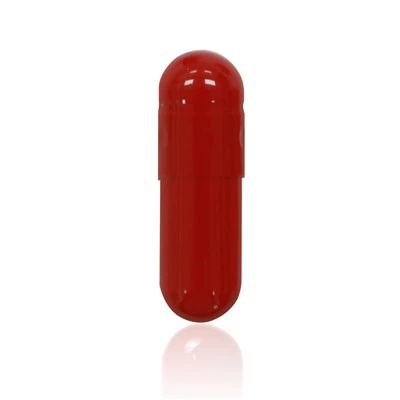
If you’ve ever grabbed a capsule, popped it into your mouth with a sip of water, and went about your day thinking “done,” you’re not alone. But let’s be real—when that capsule is enteric-coated? That one deserves a little more attention. I’m [your company name], and as someone who’s been supplying these bad boys for years, I’ve seen so many people mess this up without even realizing it. And here’s the thing: doing it wrong isn’t just annoying—it could make your meds totally useless. Let’s break this down like we’re chatting over coffee, no jargon, I promise.
First off, let’s get on the same page about what an enteric coating actually is, because if you skip that part, you’ll never get why the steps matter. You know how some pills dissolve the second they hit your stomach? Enteric coated capsules? They’re different. That thin, special shell is designed to NOT break down in your stomach’s super acidic environment (like, stomach acid is basically battery acid level acidic—crazy, right?). Instead, it waits until it hits your small intestine, which has a more neutral pH, then dissolves there. Why? Because some drugs would get destroyed by stomach acid—like certain antibiotics or even things that upset your stomach if they dissolve too early, like ibuprofen (wait, yeah, some pain relievers are enteric coated too!). Or sometimes the medicine needs to be absorbed in the intestine, not the stomach. That coating isn’t just for show—it’s the whole reason the pill exists the way it does.
Now, here’s where most people trip up. The number one mistake? Crushing, chewing, or splitting the capsule before you take it. I can’t tell you how many times a customer has emailed me like, “Wait, I split my enteric capsule because it’s too big—now what?” Uh, not good. Let’s make this super clear: that coating is a barrier. If you break through it before swallowing, the acid in your stomach is gonna eat the drug before it ever gets to where it needs to go. Let’s use an example—say you have an enteric coated omega-3. If you chew it, the fishy taste will hit you immediately, and the good fats will get broken down by stomach acid instead of being absorbed in your intestine. Total waste. I once had a guy tell me he did this with his prescription for a digestive enzyme (funny, right?) and it didn’t work at all—turns out he chewed the capsule, so the enzymes got destroyed before reaching his gut. Don’t be that guy. Just swallow the whole thing.
Wait, but what if it’s really big? I get it—some capsules are the size of a small marble, and if you have trouble swallowing pills, that’s a pain. Can you do anything about it? No, not with enteric coated ones. Unlike regular capsules, you can’t open them and sprinkle the powder on food either. Because opening the capsule would expose the drug to stomach acid. If you struggle with swallowing, here’s a trick that actually works for regular pills—tilt your head forward when you swallow, not back. For some reason, that helps the capsule slide down easier. And take it with a big sip of water, not just a tiny sip. I recommend like 4 to 8 ounces of water—enough that the capsule doesn’t get stuck in your esophagus (that’s the tube between your mouth and stomach, for anyone who doesn’t know). If it gets stuck there, the coating might break down early from the acid in your esophagus, and boom—same problem.
Speaking of water—what kind of water? Don’t use something super hot, like boiling water or even really warm tea or coffee. The heat can damage the enteric coating. Yeah, really. The shell is made of things like fatty acids or certain polymers that can melt or break down when exposed to high temps. So room temperature or cool water is your best bet. No hot chocolate, no iced coffee straight from the machine (wait, no, that’s not hot, but still—stick to plain water), just plain H2O. And for the love of all that’s good, don’t take your enteric coated capsule with soda, juice, or alcohol. Why? Juice has citric acid and other stuff that could mess with the pH in your stomach—enough to make the coating break down early. Alcohol does the same thing, plus it can irritate your stomach lining, which might make the capsule break there. I once had a customer tell me he took his enteric coated pain pill with a beer after a long day, and he felt super nauseous—turns out the coating dissolved in his stomach, so the pain pill was irritating his gut, not his headache. Oops.
Next up: when do you take it? That’s another thing people guess at, but it’s actually pretty important. Some enteric coated drugs need to be taken on an empty stomach, some with food. Wait, how do you know which? Check the label, duh, but let’s break it down. If your doctor says take it on an empty stomach, that usually means 1 hour before eating or 2 hours after. Why? Because food in your stomach can raise the pH (make it less acidic) which might make the coating break down too early. If it says take with food, that’s because some drugs need the presence of food to be absorbed properly in the intestine, or to reduce any minor irritation that might still happen (even with the coating). I remember a customer who took her iron supplement (which is enteric coated) with a big breakfast, and it didn’t work as well—once she switched to taking it before bed on an empty stomach, her levels went up. That’s not a coincidence—following the timing is key.
Wait, what about if you miss a dose? Don’t double up, that’s a rule for all meds, but especially enteric coated. If you’re supposed to take one a day, and you forget, take it as soon as you remember—unless it’s almost time for your next dose. Then skip the missed one, don’t take two. Taking too much could cause more harm than good, and even if it’s enteric coated, doubling up might mess with the absorption. And never take two capsules at once, obviously—your stomach can only handle so much, plus you risk the coating not breaking down evenly, leading to all the problems we talked about.
Another common mistake: storing them wrong. Enteric coated capsules are sensitive to moisture and humidity, just like regular ones, but maybe even more so? Because the coating is a delicate barrier. If you leave them in the bathroom medicine cabinet (where it’s steamy every time you shower), the moisture can break down the coating before you even take the pill. So store them in a cool, dry place—like a closet or a drawer in your bedroom, not the bathroom. Keep them in the original blister pack or bottle, don’t pour them into a pill organizer and leave them out in the open. That extra protection goes a long way. I’ve had people send me feedback saying they kept their enteric capsules in a plastic bag in their gym bag, and when they took them a week later, they felt different—turns out the sweat and humidity from the gym bag messed up the coating. Don’t do that.
Wait, let’s address a myth I hear all the time: “If I feel it dissolve, that means it’s working.” No, that’s not right. The coating dissolves in the intestine, which is like 20 feet long, so you won’t feel it dissolve. The effects of the drug will kick in eventually, but feeling the capsule go down or dissolve means something’s wrong—either you didn’t take it with enough water, or the coating broke early. So don’t panic if you don’t feel anything immediately. Give it time—most enteric coated drugs take 30 minutes to a couple hours to start working, not right away like a regular pill.
Let’s also talk about specific examples, because that makes it real. Let’s say you have an enteric coated aspirin (super common for people who take it daily for heart health). If you chew that, it can cause ulcers in your stomach, and it won’t do anything for your heart because the aspirin got destroyed by stomach acid. So you have to swallow that whole, with water, on an empty stomach (or whatever the label says). Another example: the probiotic enteric capsules a lot of people take for gut health. Probiotics are live bacteria, and stomach acid would kill them, so the coating keeps them safe until they hit your intestine. If you open that capsule and sprinkle the powder on yogurt, all the good bacteria die before they get to your gut—total waste of money and a bummer for your digestion.
I know this sounds like a lot of rules, but it’s really simple once you get the hang of it. Let’s recap the steps to make it super easy:
- Always swallow the whole capsule—never crush, chew, split, or open it. That’s non-negotiable.
- Take it with 4-8 ounces of room temperature or cool water—no hot stuff, no soda, juice, alcohol.
- Follow the label for timing: take on an empty stomach if it says so (1hr before/2hr after food), take with food if that’s what it says.
- Store them in a cool, dry place—no bathroom, no gym bags, no humid spots.
- Don’t double up if you miss a dose, and be patient—effects take a little longer than regular pills.
Now, I want to be clear: as an enteric coated capsules supplier, I’m not a doctor, so always check with your healthcare provider if you have specific questions about your meds. But I’ve spent years working with these products, talking to customers, learning what works and what doesn’t, and these are the things I see people mess up the most.
If you’re someone who takes enteric coated capsules regularly, or if you’re a pharmacy, clinic, or business looking to stock high-quality enteric coated capsules for your customers, we’ve got you. Our products are made with strict attention to the coating process to make sure they dissolve exactly where they need to—no early breakdown, no wasted meds. We work with all kinds of clients, from small local pharmacies to big healthcare providers, and we’re happy to answer any questions you have about our products or how to use them correctly.
If you’re interested in learning more, or if you want to discuss pricing, minimum orders, or anything else, don’t hesitate to reach out. We’re here to help make sure your medications work as they’re supposed to.
Thanks for reading—stay healthy, and take those capsules right!
Vegetable Capsules References:
- "Enteric Coated Medications: How to Take Them Correctly." Mayo Clinic.
- Understanding Pharmaceutical Coatings: Science and Applications. American Pharmacists Association.
- "Common Errors in Enteric Dosage Form Administration." Journal of Clinical Pharmacy and Therapeutics.
- "pH-Dependent Drug Delivery: The Enteric Coating Story." Pharmaceutical Technology.
Hubei Kornnac Pharmaceutical Co., Ltd.
Hubei Kornnac Pharmaceutical Co., Ltd. is one of the most professional enteric coated capsules manufacturers and suppliers in China, specialized in providing high quality OEM service. Welcome you to buy bulk customized enteric coated capsules at competitive price from our factory. Also, samples are available.
Address: No.439 Hebei Avenue, Chibi, Hubei Province, 437300, China.
E-mail: service@kornnaccaps.com
WebSite: https://www.kornnaccaps.com/
